
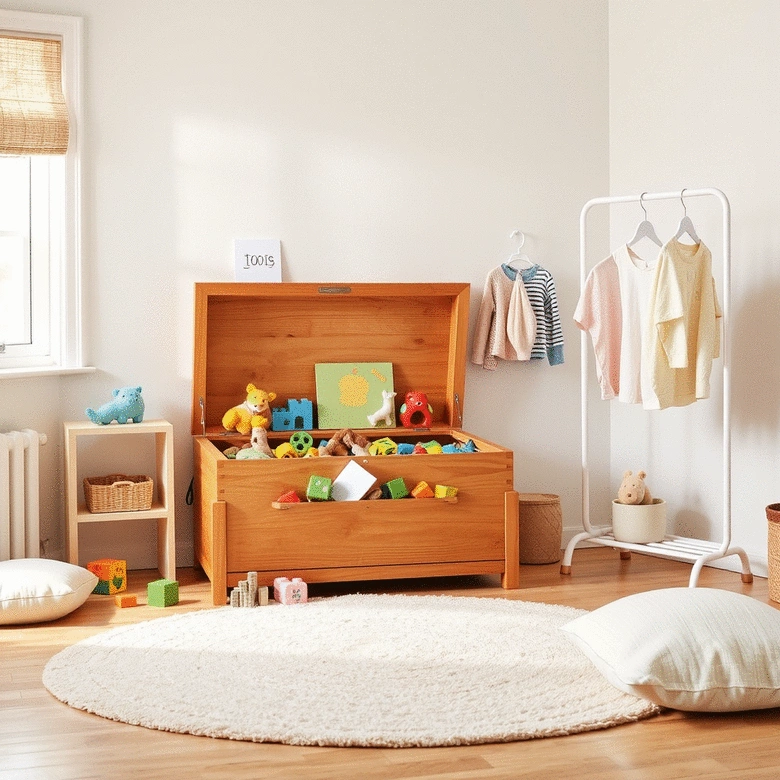
Declutter Kids' Toys and Clothes
The journey to an organized home starts with a single step. By decluttering kids' toys and clothes, not only do we create a more peaceful environment, but we also instill valuable life skills in our children. Let’s uncover the essential strategies that make this process effective and rewarding.
What You Will Learn
- Decluttering reduces parental stress and fosters a peaceful home environment.
- Involve children in the sorting process to teach them about organization and responsibility.
- Effective storage solutions like labeled bins and open shelving enhance accessibility and organization.
- Implement a capsule wardrobe concept to simplify clothing choices and reduce clutter.
- Regular decluttering routines help maintain organization and reinforce tidiness in children.
- Address emotional attachments to belongings gently by asking open-ended questions.
- Consider community resources for donating or reselling items, benefiting both others and the environment.
Organizing Kids' Toys and Clothes: Key Steps and Strategies
Effective decluttering involves a structured approach to sorting and storing items. Below are vital methods and strategies for organizing kids' toys and clothes, illustrated for clarity. For more extensive guidance, consider these organizing tips for busy families.
Step 1: Gather All Toys
Collect all toys in one spot to evaluate the total amount and make informed decisions about what to keep or donate.
Step 2: Categorize by Type and Condition
Sort toys into categories such as stuffed animals, educational toys, and broken items to facilitate easy decision-making.
Step 3: Implement Storage Solutions
Utilize labeled bins, open shelving, and over-the-door organizers to enhance accessibility and maintain order.
Step 4: Establish a Clothes Organization System
Sort clothing by category, and consider a seasonal rotation to keep relevant items accessible while reducing clutter.
Step 5: Teach Kids to Maintain Their Spaces
Encourage daily clean-up routines, implement reward systems, and lead by example to instill organizational habits.
Effective Strategies for Decluttering Kids' Toys
Understanding the Importance of Organization
Decluttering kids' toys is not just a task; it’s a necessity that brings numerous benefits to both parents and children. When you take the time to organize, you can reduce parental stress by creating a more peaceful home environment. Imagine walking into a room where everything has its place—doesn't that sound refreshing?
A well-organized space also encourages children to play more mindfully. They learn to appreciate their toys and can easily find what they need, boosting their independence and creativity. By focusing on decluttering, you’re not only transforming your home but also teaching valuable lessons about tidiness and responsibility. For further insights on managing clutter, check out these effective rubbish removal tips.
Step-by-Step Sorting Methodology for Toys
Gathering All Toys in One Place
One of the most effective ways to tackle clutter is by gathering all toys in a central location, like your living room or a designated play area. This method allows you to see just how much stuff you have! By creating a visual representation of the chaos, it becomes easier to make decisions on what to keep or donate.
When all toys are in one pile, you can also identify duplicates or items that may no longer serve a purpose. This step sets the stage for a thorough and efficient sorting process, making the daunting task of decluttering feel more manageable.
Categorizing Toys by Type and Condition
Once you have everything in one spot, it’s time to categorize. Start by sorting toys into groups based on type and condition. Here are some suggested categories:
- Stuffed Animals: Group these together and assess their condition.
- Educational Toys: Keep what’s beneficial for learning, and consider donating the rest.
- Broken Items: Toss these out—there's no sense in holding onto toys that can’t be played with!
This categorization process not only helps in organizing but also makes it easier for children to engage in the sorting. They can see what’s left to play with and what can be given a new home. For a deeper dive into managing children's items, read about how to declutter children's toys effectively.
Implementing Toy Storage Solutions
After the sorting is done, it’s crucial to think about how to store your child’s toys effectively. Using bins and baskets can be a game-changer for organization. Here are some ideas to enhance both accessibility and organization:
- Labeled Bins: Use clear bins with labels to show what's inside. Kids can learn to put their toys back where they belong!
- Open Shelving: This is great for displaying toys and making them easy to grab during playtime.
- Over-the-Door Organizers: These can be used for smaller toys or art supplies, utilizing vertical space effectively.
These storage solutions not only keep the toys tidy but also create an inviting space for your little ones to play.
Quick Summary
Here's a brief recap of the key points discussed so far:
- Decluttering kids' toys not only reduces parental stress but also teaches children valuable lessons about organization and responsibility.
- The sorting process starts with gathering all toys in one place, allowing for better decision-making on what to keep or donate.
- Implementing effective storage solutions, such as labeled bins and open shelving, enhances both accessibility and organization for kids.
Comprehensive Methods for Decluttering Kids' Clothes
When it comes to decluttering kids' clothes, it's essential to tailor our approach to their age. Each age group has different clothing needs, and understanding these can help streamline the sorting process. For instance, newborns grow out of clothes in a blink, while school-age kids may have strong preferences for their favorite outfits. By recognizing these factors, we can create a more efficient and thoughtful decluttering strategy!
Here are a few age-specific strategies that I’ve found helpful:
- Infants and Toddlers: Focus on essentials like onesies, sleepwear, and weather-appropriate outerwear. Too many pieces can clutter their space quickly.
- Preschoolers: Involve them in the process! Let them pick their favorite outfits and explain why some clothes may need to go.
- School-Aged Children: Discuss practicality versus trends. Encourage them to select versatile pieces that can mix and match.
Creating a Clothes Organization System
Establishing an organized system for kids' clothing can make a world of difference! A well-structured approach ensures that everything has a designated spot, making it easier for kids to find and put away their clothes. I often recommend sorting by category—shirts, pants, and outerwear—followed by a seasonal rotation to keep only what’s relevant accessible.
Here are some effective storage solutions to consider:
- Seasonal Rotation: Store off-season clothes in bins or under beds to free up space for current wear.
- Accessibility: Use low shelves or drawers that kids can easily reach to encourage independence.
- Labeled Bins: Clear labels allow kids to understand where things go, fostering a sense of responsibility.
Implementing a Capsule Wardrobe Concept
Have you ever thought about the idea of a capsule wardrobe for kids? It’s a fantastic way to simplify their clothing options and reduce the overwhelming number of choices! By curating a small selection of versatile pieces, children can mix and match effectively, promoting creativity and personal style.
The benefits of a capsule wardrobe include:
- Less Clutter: Fewer pieces mean less mess in their closet and easier decision-making.
- Cost-Effective: Investing in quality pieces can save money in the long run while ensuring longevity.
- Promoting Sustainability: A focus on fewer, better pieces encourages mindful consumption.
Frequently Asked Questions About Decluttering Kids' Items
Here are some common questions and answers to help you on your decluttering journey:
- Q: What are the main benefits of decluttering kids' toys and clothes?
- A: Decluttering reduces parental stress, creates a more peaceful home environment, and teaches children valuable life skills such as organization and responsibility.
- Q: How can I involve my children in the decluttering process?
- A: Involve them by letting them help gather toys, categorize items, and decide what to keep or donate. For school-aged children, discuss practicality and versatility of clothes, and for preschoolers, let them choose favorite outfits.
- Q: What are some effective storage solutions for kids' toys and clothes?
- A: Labeled bins, open shelving, and over-the-door organizers are great for toys. For clothes, consider seasonal rotation, low shelves or drawers for accessibility, and labeled bins.
- Q: What is a capsule wardrobe for kids, and why is it beneficial?
- A: A capsule wardrobe for kids involves curating a small selection of versatile clothing pieces that can be mixed and matched. Benefits include less clutter, cost-effectiveness, and promoting sustainability and conscious consumption.
- Q: How can I maintain organization long-term?
- A: Establish regular decluttering routines (e.g., seasonal checks), encourage daily clean-up habits with your children, and lead by example to instill organizational skills.
- Q: How should I address emotional attachments children have to their belongings?
- A: Gently guide them by asking open-ended questions like, “What’s your favorite memory with this item?” or “Can someone else enjoy it now?” to help them assess their feelings without judgment.
- Q: What are my options for donating or reselling items?
- A: You can donate to local charity shops, shelters, children’s hospitals, or non-profits focused on families. For reselling, consider online marketplaces or participate in community clothing swaps.
Maintaining Long-Term Organization and Decluttering Practices
To keep the organization afloat, regular decluttering habits are essential! I recommend establishing a seasonal routine where you and your children can review their clothing and toys. This not only keeps things tidy but also reinforces the practice of letting go of items that no longer serve a purpose.
Setting a timeline ensures that it doesn’t feel overwhelming. For example:
- Spring: Check for outgrown spring and summer clothes.
- Fall: Evaluate for autumn and winter attire.
- End of School Year: Assess school uniforms and summer gear.
Teaching Children to Maintain Their Own Spaces
Encouraging kids to keep their spaces organized can be a fun but rewarding challenge! When they take ownership of their belongings, they develop valuable life skills that extend beyond their childhood. Here are some tips to help them cultivate independence:
- Daily Clean-Up Routines: Set aside a few minutes each day for them to tidy up their areas.
- Reward Systems: Implement a simple reward chart for consistent cleaning efforts!
- Lead by Example: Show them how you maintain your own spaces—it’s all about setting a good example!
Addressing Common Questions and Concerns
As we embark on this decluttering journey, emotional attachments to toys and clothes can be a significant hurdle. It's normal for children to feel attached to their belongings! I suggest gently guiding them through this process by asking questions that help them assess their feelings without judgment. For tips on managing emotional attachments, especially when decluttering, consider resources on letting go of sentimental clutter.
For example, you might ask:
- “What’s your favorite memory with this item?”
- “Does this still fit your style?”
- “Can someone else enjoy it now?”
Budget Considerations for Reselling or Donating Items
When it comes to decluttering, many parents wonder about the financial aspects of reselling or donating items. Besides creating space, it can also be a sustainable choice that positively impacts both your wallet and the environment! Donating gently used clothes and toys not only helps others but often comes with the added benefit of possible tax deductions.
Here are a few options to consider:
- Local Charity Shops: They often accept clothing donations and provide support to your community.
- Online Marketplaces: Consider selling items through platforms that specialize in kids' clothing and toys.
- Community Swaps: Hosting or participating in clothing swaps can be a fun way to refresh wardrobes while saving money!
Exploring Community Resources and Charity Organizations
Finding the right place for your donations can sometimes feel overwhelming. Thankfully, many local organizations are eager to accept kids' items! Researching community resources is essential to ensure your donations make the most impact.
Here are some organizations to consider reaching out to:
- Local Shelters: Many shelters accept clothing, especially for families in need.
- Children’s Hospitals: They often appreciate toys and books for young patients.
- Non-Profits Focused on Families: Groups that support families in crisis usually have specific needs for clothing and toys.
Final Thoughts on the Journey to an Organized Space
As we wrap up this discussion, it’s clear that fostering a family commitment to decluttering can lead to long-lasting change! It’s not just about getting rid of items; it’s about creating an environment that encourages peace and harmony. A collective effort makes the process more enjoyable and effective! For more inspiration on maintaining an organized home, explore more organizing tips for busy families.
I encourage you to take actionable steps toward a more organized home today! Whether it’s tackling one drawer or planning a family decluttering day, every small effort counts. After all, a clearer space can lead to a clearer mind—and a happier home!
Recap of Key Points
Here is a quick recap of the important points discussed in the article:
- Understanding the Importance of Organization: Decluttering toys and clothes reduces parental stress and teaches children valuable lessons about tidiness and responsibility.
- Step-by-Step Sorting: Begin by gathering all toys or clothes in one place, then categorize them by type and condition for effective sorting.
- Implementing Storage Solutions: Use labeled bins, open shelving, and over-the-door organizers to keep toys and clothes organized and easily accessible.
- Age-Specific Strategies: Tailor decluttering methods to children's ages, involving them in the process to foster independence and decision-making skills.
- Maintaining Long-Term Organization: Establish a seasonal decluttering routine and teach kids to maintain their spaces through daily clean-up routines and rewards.
- Addressing Emotional Attachments: Guide children through the decluttering process by discussing their feelings about items and encouraging thoughtful decisions.
- Budget Considerations: Consider reselling or donating items to create space and positively impact the community while possibly benefiting financially.
- Community Resources: Research local charities and organizations that accept donations of kids' items to ensure your contributions make a meaningful impact.