
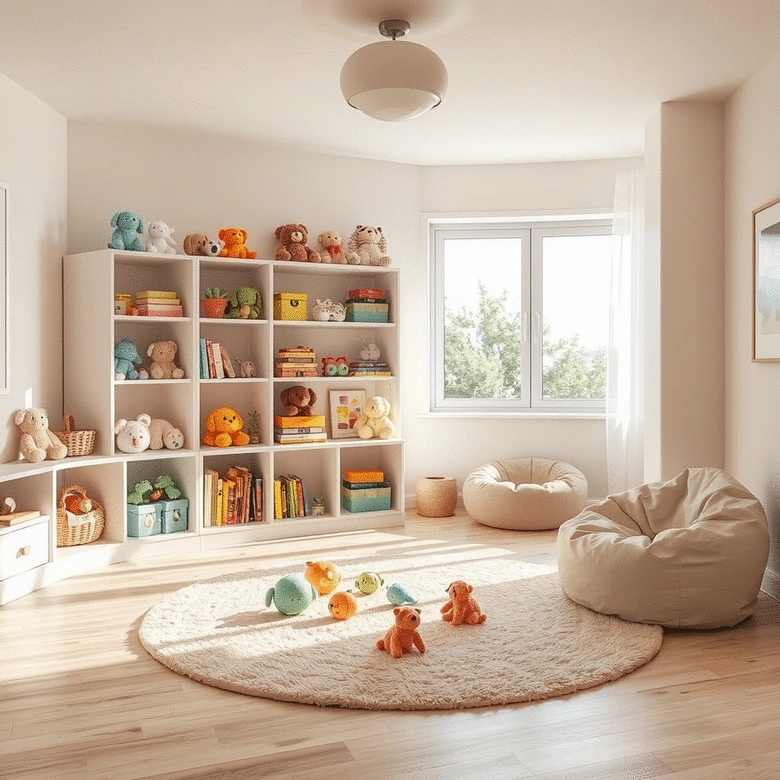
Declutter Children's Toys Effectively
Research reveals that a cluttered environment can hinder a child's ability to focus and engage in creative play. What if, instead, their play area was a sanctuary of organization that nurtured their imagination and responsibility? By understanding the significance of decluttering children's toys, you can transform their playtime into an enriching experience.
What You Will Learn
- Clutter negatively impacts children's focus, creativity, and emotional well-being, leading to increased stress and frustration.
- Involving children in the decluttering process fosters a sense of ownership and responsibility for their belongings.
- Regular maintenance, including scheduled check-ins, helps keep the play area organized and clutter-free.
- Teaching responsible toy management through routines and discussions instills valuable organizational skills in children.
- Utilizing tools like checklists and visual aids simplifies the decluttering process and makes it enjoyable for kids.
- Tailoring your decluttering approach based on a child's age enhances engagement and understanding of the process.
Impact of Clutter on Children's Play and Learning
Clutter can significantly affect children in three key areas: Focus, Imagination, and Anxiety. Below is a visual comparison of these impacts.
Reduced Focus
A messy space can distract children from their play activities, leading to less effective and engaging playtime.
Decreased Imagination
Too many toys can overwhelm children, stifling their creativity and ability to engage in imaginative play.
Increased Anxiety
Clutter can create a stressful environment, making it hard for children to relax and enjoy their playtime.
Engagement Strategies
Implementing clean-up routines and holding family meetings creates a sense of ownership and responsibility, reducing clutter.
Understanding the Need for Decluttering Children’s Toys
As a parent, the chaos of scattered toys can sometimes feel overwhelming. But did you know that clutter can actually impact your child's play and learning? It's true! When there are too many toys around, it becomes difficult for children to focus, and their playtime may turn into a source of stress rather than joy.
Think of it this way: a clean, organized play area allows children to play more creatively and effectively. When they can easily see their toys, they can engage with them instead of feeling lost in a sea of clutter. What’s more, the act of decluttering can teach valuable lessons about organization and responsibility! For more strategies on managing household items, explore our effective rubbish removal tips.
The Impact of Clutter on Play and Learning
Research shows that children thrive in spaces that are orderly and structured. A cluttered environment can hinder their ability to concentrate and develop problem-solving skills. When a child is surrounded by too many toys, they might struggle to make choices, leading to frustration and disengagement.
Some of the ways clutter impacts play include:
- Reduced Focus: A messy space can distract children from their play activities.
- Decreased Imagination: Too many toys might overwhelm them, stifling creativity.
- Increased Anxiety: Clutter can make it hard for them to relax and enjoy their playtime.
Why Effective Strategies for Decluttering Matter
Implementing effective decluttering strategies is essential for creating a positive play environment. It’s not just about tidying up; it’s about setting the stage for learning and growth! At GoDeclutter, we believe that a well-organized space can foster a sense of calm and enhance a child's developmental journey.
Effective decluttering is important because it:
- Encourages Ownership: When children are involved in the process, they feel a sense of control.
- Promotes Responsibility: Decluttering teaches kids about taking care of their belongings.
- Supports Emotional Well-Being: A tidy space contributes to a peaceful mind and happy heart.
By understanding the need for decluttering children’s toys, you're taking a meaningful step toward nurturing a joyful, organized home. Remember, this journey isn’t just about getting rid of things; it's about creating a space that reflects happiness and creativity for your little ones!
Quick Summary
Here's a brief recap of the key points discussed so far:
- Clutter can negatively impact children's focus, creativity, and emotional well-being.
- Effective decluttering strategies teach kids responsibility and promote a positive play environment.
- Regular maintenance and involving children in the decluttering process fosters ownership and organization skills.
Maintaining a Decluttered Space: Best Practices
Once you’ve successfully decluttered your children’s toys, it’s important to focus on maintaining that newly organized space. Just as I tell my clients at GoDeclutter, creating a peaceful and tidy environment is an ongoing journey rather than a one-time event. Regular maintenance can help you avoid clutter from creeping back in and ensure that your home remains a sanctuary for you and your family.
Scheduling regular check-ins can be a game changer! Whether it's a weekly family clean-up day or a monthly toy assessment, make it a habit to evaluate the state of your kids' play area. During these check-ins, you can easily identify which toys are still loved and which ones are ready to find a new home. This is a great way to instill good habits, similar to organizing tips for busy families.
Regular Check-Ins: Scheduling Time for Maintenance
Incorporating regular check-ins into your family routine can keep clutter at bay. Here are a few effective strategies to consider:
- Set a specific day each week for organizing play areas.
- Use a calendar reminder to prompt family members to assess their belongings.
- Involve kids in discussions about what toys they still enjoy and what could be donated.
By making it a team effort, you help kids understand the importance of maintaining a clutter-free space. Plus, it creates a sense of ownership and responsibility towards their belongings, fostering lifelong organizational skills!
Educating Kids on Responsible Toy Management
Teaching children about responsible toy management is essential for a clutter-free home. Engaging them in this process not only empowers them but also instills valuable habits. Here are some tips to make this educational experience enjoyable:
- Implement clean-up routines after playtime to encourage tidiness.
- Hold family meetings to discuss toy management and share favorite organizing methods.
- Encourage kids to set goals for their space, such as keeping a specific number of toys.
By establishing these practices, you support your children's growth while reinforcing the importance of a well-organized environment. I’ve seen firsthand how families thrive when they work together to create a harmonious living space, and I believe your family can enjoy the same benefits!
Frequently Asked Questions About Decluttering Kids' Toys
Q: How does clutter affect a child's focus and creativity?
A: A cluttered environment can significantly reduce a child's ability to focus by providing too many distractions. It can also stifle creativity as children become overwhelmed by choices rather than engaging deeply with a few toys.
Q: What are the benefits of involving children in the decluttering process?
A: Involving children fosters a sense of ownership and responsibility for their belongings. It teaches them valuable organizational skills, encourages decision-making, and contributes to their emotional well-being by creating a more peaceful play space.
Q: How often should I declutter my children's toys?
A: Regular maintenance is key. Scheduling weekly or monthly check-ins allows you to assess which toys are still being used and identify those that can be donated or discarded, preventing clutter from accumulating.
Q: What tools can help make decluttering easier for kids?
A: Printable checklists, decision-making guides, and age-appropriate "decluttering scripts" can make the process more engaging. Visual aids like labeled bins and color-coded systems also help children understand where items belong and maintain organization.
Q: How can I teach my children responsible toy management?
A: Implement consistent clean-up routines after playtime, hold family meetings to discuss toy organization, and encourage them to set goals for their space. This instills good habits and a sense of pride in their organized environment.
Utilizing Tools and Resources for Effective Decluttering
Having the right tools and resources can significantly enhance your decluttering journey. At GoDeclutter, we often emphasize the value of effective planning and preparation. By using tools like checklists and guides, you can streamline the decluttering process and ensure that it remains manageable. This can be especially helpful when you need to declutter before your move.
Printable Checklists and Decision-Making Guides
One helpful resource is a printable checklist that outlines the steps for decluttering toys. This can serve as a visual guide for you and your kids. Here are some ideas for what to include:
- List all toy categories (e.g., stuffed animals, building blocks, arts & crafts).
- Include criteria for keeping or letting go of items (e.g., condition, usage frequency).
- Set goals for how many toys to keep based on available storage space.
Having this guide can make the decision-making process easier and more efficient. Plus, it adds an element of fun as kids get to check off items on their list!
Creating a Decluttering Script for Different Age Groups
When working with kids, it’s important to tailor your approach based on their age. Developing a decluttering script can help you communicate effectively. Here are some examples:
- For toddlers: Use simple phrases like "Do you want to keep this or share it with someone else?"
- For school-aged kids: Ask questions like "How often do you play with this?"
- For teens: Discuss the space they need for their interests and how they can create it.
By using age-appropriate language, you make the decluttering process more engaging and relatable for each child. It’s all about connecting with them in a way that resonates!
Utilizing Visual Aids and Organizational Systems
Lastly, visual aids can be a fantastic addition to your organizing strategy. Kids often respond well to pictures and color-coded systems. Consider:
- Using labeled bins or baskets that clearly indicate where toys belong.
- Creating a “toy hospital” for broken items that need fixing.
- Incorporating charts or graphs to track how well they maintain their space.
These systems not only enhance the organization but also make it fun for kids to participate. When they see their contributions, it reinforces their commitment to a tidy space!
Conclusion: Embracing the Benefits of a Decluttered Play Space
Making the effort to maintain a decluttered space comes with countless benefits! A tidy play area fosters creativity, reduces stress, and promotes healthy play habits. As you embrace these practices, you're instilling lifelong organizational skills in your children.
Encouraging Lifelong Organizational Skills in Children
By involving kids in the decluttering process and establishing routines, they learn to value their belongings and the space they occupy. This sense of responsibility can translate into other areas of life as they grow.
Inviting Feedback and Sharing Experiences with Others
Don’t hesitate to share your experiences! At GoDeclutter, we love hearing how families transform their spaces together. You can inspire others by sharing your journey and inviting feedback from friends and family. Learning from others' experiences, such as those who declutter their home before moving, can provide fresh perspectives.
Let’s continue to create wonderful, organized play spaces for our children! Remember, every small step counts toward making your home a peaceful haven.
Recap of Key Points
Here is a quick recap of the important points discussed in the article:
- Clutter Affects Play: A cluttered environment can reduce focus, creativity, and increase anxiety in children.
- Effective Decluttering Strategies: Involve children in the decluttering process to promote ownership and responsibility.
- Regular Maintenance: Schedule regular check-ins to keep play areas organized and prevent clutter from returning.
- Educating Kids: Teach children about responsible toy management through clean-up routines and discussions.
- Utilizing Tools: Use printable checklists and age-appropriate scripts to make decluttering engaging and effective.
- Visual Aids: Implement visual aids like labeled bins to help children understand where toys belong and maintain organization.