
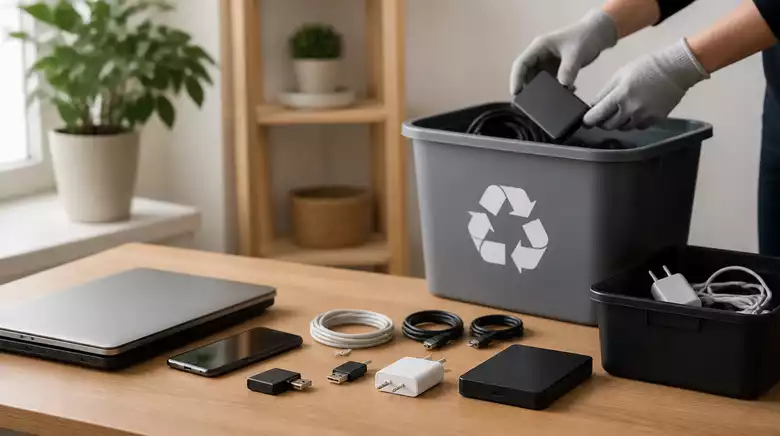
Declutter and Recycle Electronics Wisely
As the digital age evolves, so does our responsibility towards the environment. Did you know that electronic waste is one of the fastest-growing waste streams globally? Understanding the importance of responsible electronics decluttering is crucial not only for a cleaner home but also for a healthier planet. Let's explore the key takeaways from this essential topic!
What You Will Learn
- E-waste is rapidly accumulating, with millions of tons discarded each year, posing a significant environmental challenge.
- Improper disposal of electronics can lead to soil contamination, water pollution, and increased greenhouse gas emissions.
- Understanding e-waste legislation can empower consumers to make informed choices regarding electronics disposal.
- Adopting the "Reduce, Reuse, Recycle" philosophy can protect the environment and support local communities.
- Upcycling and resource recovery help minimize landfill waste and contribute to sustainable living practices.
- Community involvement in e-waste management amplifies efforts and fosters collaboration for a common cause.
- Engaging with non-profit organizations can enhance the impact of e-waste initiatives and promote responsible practices.
Environmental Impact of E-Waste Disposal
Understanding the effects of improper electronics disposal is essential for promoting responsible practices. Below are key points illustrated in a visual format:
Soil Contamination
Toxic substances released into the soil can lead to long-term environmental damage.
Water Pollution
Harmful chemicals can contaminate local water supplies, affecting ecosystems.
Greenhouse Gas Emissions
Decomposing electronics release greenhouse gases, contributing to climate change.
Impact on Wildlife
Pollution from e-waste can disrupt local wildlife habitats and food chains.
Understanding the Importance of Responsible Electronics Decluttering
With the rapid pace of technology, we're often left with old electronics that clutter our homes. At GoDeclutter, we understand that it's not just about tidying up your space but also about making responsible choices for our environment. Let's dive into the reasons why responsible electronics decluttering is more important than ever! For more organizing tips for busy families, visit our blog.
Identifying the Growing Problem of E-Waste Accumulation
Did you know that electronic waste, or e-waste, is one of the fastest-growing waste streams in the world? Each year, millions of tons of old gadgets end up in landfills, contributing to a serious environmental challenge. As we buy new devices, the old ones pile up, often forgotten in drawers or stored in garages.
It's crucial to take a moment and reflect on your own electronics! Think about how many devices you have that you no longer use. From old cell phones to unused laptops, these items should be addressed to help reduce e-waste. Here are some common sources of e-waste to consider:
- Smartphones and tablets
- Computers and laptops
- Televisions and monitors
- Chargers and cables
Environmental Impacts of Improper Electronics Disposal
Improper disposal of electronics can harm our planet in many ways. When these items end up in landfills, they can release toxic substances, such as lead and mercury, into the soil and water supply. This not only affects the environment but can also have harmful effects on human health.
Considering the future of our planet is essential! By decluttering responsibly, we can minimize these risks and contribute to a cleaner, healthier environment. Here’s how improper disposal impacts the ecosystem:
- Soil contamination from hazardous materials
- Water pollution affecting local wildlife
- Increased greenhouse gas emissions from decomposing electronics
The Role of E-Waste Legislation in Electronics Disposal
As concerns about e-waste grow, many countries have implemented legislation aimed at managing electronics disposal. These laws encourage responsible recycling and ensure that hazardous materials are handled correctly. At GoDeclutter, we stay updated on these regulations to help our clients navigate the e-waste landscape effectively. You can also explore eco-friendly junk removal near you for more options.
Understanding these laws can empower you to make informed decisions when it comes to your electronics. Some key points about e-waste legislation include:
- Mandatory recycling programs for manufacturers
- Consumer awareness campaigns about responsible disposal
- Regulations that provide safe disposal options for hazardous materials
Quick Summary
Here's a brief recap of the key points discussed so far:
- Electronic waste (e-waste) is one of the fastest-growing waste streams, with millions of tons ending up in landfills each year.
- Improper disposal of electronics can release toxic substances, harming the environment and human health.
- Legislation is being implemented globally to manage e-waste and promote responsible recycling practices.
- Adopting the "Reduce, Reuse, Recycle" philosophy can significantly mitigate e-waste and its environmental impact.
Frequently Asked Questions About Responsible Electronics Decluttering
- What is e-waste and why is it a problem?
E-waste, or electronic waste, refers to discarded electronic devices. It's a rapidly growing waste stream, with millions of tons ending up in landfills annually, posing significant environmental challenges due to toxic substances. - How does improper electronics disposal affect the environment?
Improper disposal can lead to soil contamination, water pollution, and increased greenhouse gas emissions. Toxic substances like lead and mercury can leach into the environment, harming ecosystems and human health. - What is the "Reduce, Reuse, Recycle" philosophy in the context of e-waste?
This philosophy encourages minimizing new purchases (reduce), finding new uses for old electronics (reuse), and properly recycling devices when they can no longer be used. It helps conserve resources and reduce landfill waste. - What role does e-waste legislation play?
E-waste legislation aims to manage electronics disposal by encouraging responsible recycling, ensuring hazardous materials are handled correctly, and promoting consumer awareness and manufacturer responsibility. - How can communities get involved in e-waste management?
Communities can organize e-waste drives, collaborate with local organizations and charities, and promote awareness through social media and local newsletters. Collective efforts amplify the impact of responsible disposal.
Reinforcing the "Reduce, Reuse, Recycle" Philosophy
When it comes to electronics disposal, we can’t underestimate the importance of the *“Reduce, Reuse, Recycle”* philosophy. By embracing this practice, we not only lessen the amount of e-waste that ends up in landfills but also conserve valuable resources. Think about it—less clutter in your home means more space for the things you truly love!
Responsible electronics disposal can lead to numerous benefits, including:
- **Protecting the environment** by reducing toxic waste.
- **Conserving natural resources** through resource recovery.
- **Supporting local communities** by donating usable electronics.
- **Promoting sustainability** in your household and beyond.
As a decluttering expert at GoDeclutter, I often remind my clients that every small action contributes to a larger impact. It’s heartening to know that even by recycling a few old gadgets, we can play a part in protecting our planet for future generations! Consider these tips to help you declutter before your move.
Summarizing the Benefits of Responsible Electronics Disposal
Responsible electronics disposal goes beyond just clearing out the old stuff; it’s about making mindful decisions that support our environment and communities. By taking part in this process, we help combat the growing issue of e-waste while also being kind to the Earth.
Here’s why it really matters:
- **Reduces pollution** from harmful materials often found in electronics.
- **Encourages recycling** programs that lead to energy savings.
- **Increases awareness** about the environmental impacts of e-waste.
- **Fosters a culture** of sustainability in our homes.
Every time you make a decision to recycle or donate your electronics, you are making a positive impact. Let’s spread the word and encourage others to join us on this journey towards a more sustainable lifestyle!
The Importance of Upcycling and Resource Recovery in E-Waste Management
Upcycling is a creative way to give new life to old electronics. Instead of tossing items aside, we can find innovative ways to repurpose them! This not only keeps waste out of landfills but also allows us to express our creativity.
Resource recovery plays a critical role in this process, allowing us to:
- **Extract valuable materials** such as metals and plastics from discarded electronics.
- **Minimize the need for new raw materials**, reducing environmental strain.
- **Support circular economies** that promote sustainability and resource efficiency.
At GoDeclutter, we encourage everyone to look for ways to upcycle electronics creatively. It can be as simple as turning an old smartphone into a digital photo frame or using scraps to create fun art projects! This can be particularly useful when you declutter your home before moving.
Encouraging Community Participation in E-Waste Management
Community involvement is key when it comes to managing e-waste effectively. By joining forces with neighbors, friends, and local organizations, we can amplify our efforts and make a bigger difference together. Organizing community e-waste drives is a fantastic way to bring everyone together for a common cause!
Here are some steps to help you get started:
- **Identify a location**: Choose a central spot that's easily accessible.
- **Promote the event**: Use social media, flyers, and local newsletters.
- **Collaborate with local organizations**: Seek partnerships with local charities or recycling programs.
- **Provide clear guidelines**: Make it easy for people to know what items can be dropped off.
As you plan your event, think about how you can make it fun! Perhaps include some refreshments or activities for kids while parents drop off their electronics. The more inviting the atmosphere, the more likely people will engage!
Inviting Reader Engagement: Share Your Experiences and Tips
I love hearing from readers about their decluttering journeys! Sharing experiences can inspire others and create a supportive community. What have you done to responsibly dispose of your electronics? Perhaps you discovered a fantastic donation center or found a creative way to upcycle an old device?
Consider sharing your tips and stories in the comments or on social media. Every little bit helps to reinforce the importance of responsible electronics management!
Highlighting Non-Profit Organizations and Environmental NGOs in E-Waste Initiatives
There are many non-profit organizations and environmental NGOs leading the way in e-waste initiatives. Supporting these groups can help amplify our collective impact on reducing e-waste. Here are a few worth mentioning:
- **The Electronic Industry Citizenship Coalition (EICC)**: They work to promote responsible practices in the electronics supply chain.
- **The Basel Action Network (BAN)**: Advocates for global e-waste policy and responsible recycling.
- **Earth911**: Provides resources for recycling and disposal options across various materials, including electronics.
By collaborating with these organizations or even volunteering, you can help create a greener future for our communities. It’s all about working together to make a lasting change!
Recap of Key Points
Here is a quick recap of the important points discussed in the article:
- E-waste is one of the fastest-growing waste streams, with millions of tons ending up in landfills each year.
- Improper disposal of electronics can lead to soil and water contamination, impacting both the environment and human health.
- Understanding e-waste legislation helps ensure responsible recycling and proper handling of hazardous materials.
- Embracing the "Reduce, Reuse, Recycle" philosophy can lead to significant environmental benefits and support local communities.
- Upcycling old electronics and engaging in resource recovery minimizes waste and promotes sustainability.
- Community participation is crucial for effective e-waste management, and organizing local drives can foster collaboration.
- Supporting non-profits and NGOs focused on e-waste initiatives can amplify collective efforts to reduce waste and promote responsible practices.