Letting Go of Sentimental Items
As we navigate our lives, we often form deep emotional connections to our belongings. These attachments can provide comfort but may also lead to clutter. Understanding this emotional bond is crucial for anyone seeking to create a serene and organized living space.
What You Will Learn
- Emotional attachment can complicate decluttering efforts, as items often hold significant memories and sentiments.
- Recognizing and understanding emotional attachments is vital for a successful decluttering process, helping to clarify what truly matters.
- Overcoming emotional attachments can lead to reduced anxiety, improved mental clarity, and a more intentional lifestyle focused on current priorities.
- Attachment theory provides insights into why we struggle to part with certain belongings, helping to reframe emotional connections with items.
- Establishing sustainable decluttering habits—like setting weekly check-ins and the “one in, one out” rule—can help maintain an organized home.
- Digital clutter is as significant as physical clutter; regularly reviewing and organizing digital items is essential for a balanced life.
- Effective storage solutions, such as clear bins and labeled containers, are key to managing belongings and creating a functional, inviting space.
Impact of Emotional Attachment on Clutter: Key Insights
Understanding the effects of emotional attachment on our homes can help in the decluttering process. Below are some important aspects to consider:
Reasons for Emotional Attachment
- Sentimental items passed down through generations
- Gifts from loved ones that remind us of special moments
- Personal items that hold memories from significant life events
Benefits of Overcoming Attachment
- Reduces anxiety and improves mental clarity
- Creates a serene environment promoting peace and relaxation
- Allows for more intentional living, focusing on what truly matters
Attachment Theory Insights
- Nostalgia linked to childhood items
- Strong bonds with belongings from significant life events
- Fear of loss hindering letting go
Long-term Strategies for Decluttering
- Set aside time weekly for a declutter check-in
- Implement a “one in, one out” rule for new purchases
- Create designated areas for specific purposes
Understanding Emotional Attachment to Items
Many of us have items in our homes that we hold onto for reasons that go beyond their physical presence. Understanding emotional attachment is the key to navigating the clutter that can sometimes overwhelm our spaces. Whether it’s a childhood toy, a wedding dress, or a gift from a loved one, these items often carry stories and memories that can make it difficult to let go. So, what exactly is emotional attachment, and how does it impact our homes?
Emotional attachment refers to our strong feelings for certain items that remind us of significant moments in our lives. These attachments can create a sense of comfort and nostalgia, but they can also lead to clutter. As someone who has helped countless families declutter through my work at GoDeclutter, I've seen firsthand how these attachments can complicate the decluttering process. It’s important to recognize these feelings and understand their role in our lives! For more tips on managing your belongings, consider our organizing tips for busy families.
What is Emotional Attachment?
Emotional attachment can manifest in many ways. We might find ourselves holding onto items because they evoke happiness, sadness, or a sense of belonging. Here are a few common forms of emotional attachments:
- Sentimental items passed down through generations
- Gifts from loved ones that remind us of special moments
- Personal items that hold memories from significant life events
Recognizing these attachments is vital for the decluttering journey. It allows us to reflect on what truly matters to us. When I work with clients, I encourage them to consider the memories associated with each item and how they contribute to their current life. This reflection can help clarify what we genuinely value!
Why Overcoming Attachment is Important for Decluttering
Overcoming emotional attachment is crucial for creating a clutter-free environment. Holding onto items that no longer serve us can lead to unnecessary stress and overwhelm. By letting go, we open up space for new memories and experiences. Here’s why it's essential to address these attachments:
- It can reduce anxiety and improve mental clarity.
- Creating a serene environment promotes peace and relaxation.
- It allows for more intentional living, focusing on what truly matters.
At GoDeclutter, I often remind clients that decluttering isn’t just about removing items; it’s about making room for a life that reflects their current selves. Letting go can be a liberating experience, paving the way for a more organized home! If you're looking for more guidance on this topic, check out our article on letting go of sentimental clutter.
Attachment Theory and Its Impact on Clutter
Attachment theory, initially developed to understand relationships, offers valuable insights into our possessions. This theory suggests that our early experiences with caregivers shape our attachments. When applied to clutter, it helps us understand why we struggle to part with certain items. For example, if we associate security with a particular item, it can create a deep-rooted attachment!
Understanding this connection can be extremely beneficial in the decluttering process. Here are a few ways attachment theory can impact our decisions:
- Items linked to childhood can evoke strong feelings of nostalgia.
- Belongings associated with significant life events may create bonds that are hard to break.
- Fear of loss can prevent us from letting go, even when we know it’s necessary.
As you start your decluttering journey, remember that recognizing these attachments is the first step towards creating a more harmonious living space. Embrace the emotions but also consider the possibilities of a less cluttered environment. Your home can become a sanctuary once again!
Pro Tip
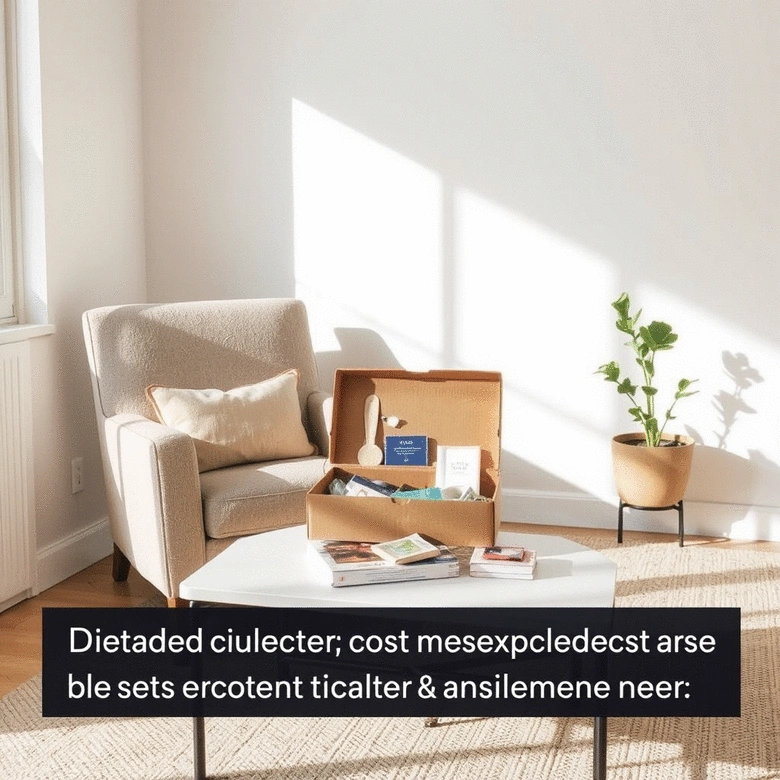
When tackling emotional attachments during your decluttering journey, try the "memory box" technique. Designate a small box for items that evoke strong emotions. Limit the size of the box to ensure you only keep the most meaningful items. This practice allows you to honor your memories without overwhelming your space!
Frequently Asked Questions (FAQs)
We form emotional attachments to belongings because they often carry stories, memories, and sentimental value, reminding us of significant moments, people, or periods in our lives. These attachments can provide comfort and nostalgia.
Emotional attachment can complicate decluttering because it makes it difficult to part with items, even if they no longer serve a practical purpose. The fear of losing memories or a sense of identity tied to an item can hinder the process.
Overcoming emotional attachment can reduce anxiety, improve mental clarity, create a more serene and peaceful living environment, and promote a more intentional lifestyle focused on what truly matters in the present.
Attachment theory, originally about relationships, helps us understand why we struggle to part with certain items by linking our emotional bonds to possessions with early experiences and the sense of security or nostalgia they provide.
Long-term strategies include setting aside weekly time for decluttering check-ins, implementing the “one in, one out” rule for new purchases, creating designated areas for items, and encouraging family participation in tidiness.
To manage digital clutter, regularly review and delete unnecessary files, organize digital photos into folders, keep only resonant images, and back up important documents before removing them from primary storage.
Maintaining Decluttered Spaces: Long-term Strategies
Once you've decluttered your home, the next challenge is to maintain those serene spaces you've worked so hard to create. At GoDeclutter, I often see that the key to a lasting transformation lies in developing sustainable habits that can keep your environment as peaceful and organized as you've envisioned. By embracing a few simple strategies, you can avoid falling back into old habits and instead cultivate a lifestyle that supports your decluttered home.
One effective way to maintain your newly organized space is to establish a routine that reinforces these positive changes. Consider incorporating the following long-term strategies into your daily life:
- Set aside a few minutes each week for a quick declutter check-in.
- Implement the “one in, one out” rule for new purchases.
- Encourage family members to participate in keeping shared spaces tidy.
- Create designated areas for items that have a specific purpose, making it easier to stay organized.
Creating Sustainable Decluttering Habits
Building sustainable decluttering habits isn't just about organizing; it’s about changing your mindset. A great way to do this is to incorporate small, manageable tasks into your routine. For instance, aim to spend just 10 minutes each day tidying up a specific area. This helps you stay engaged with your space and allows you to address clutter before it accumulates.
Some effective habits to consider include:
- Performing a daily sweep of high-traffic areas, like the kitchen or living room.
- Designating a “clutter basket” for miscellaneous items that need sorting.
- Setting a monthly decluttering day to tackle larger areas or storage spaces.
These habits can help you maintain a clutter-free environment while reducing stress and promoting a sense of calm at home. For more detailed daily habits, explore our guide on daily habits for a clutter-free home.
Digital Sentimental Items: A New Frontier in Decluttering
As we navigate through our lives, we often accumulate digital items that can become just as burdensome as physical clutter. It's essential to address these digital sentimental items when considering your overall decluttering strategy. Whether it's photos, old emails, or documents, it’s easy to become overwhelmed by the virtual clutter we hold onto.
Here are some tips to manage your digital clutter effectively:
- Regularly review and delete files that no longer serve a purpose.
- Organize your digital photos into folders and only keep the ones that truly resonate with you.
- Back up important documents and then safely remove them from your primary storage.
By taking control of your digital space, you’ll find it easier to maintain a harmonious balance in your life.
Storage Solutions for a Clutter-Free Home
Sometimes, despite our best efforts, we still need to find efficient ways to manage our belongings. Effective storage solutions can help you keep your home organized while ensuring that everything has a designated place. At GoDeclutter, I've seen firsthand the impact of good storage on maintaining order.
To optimize your space, consider implementing these practical storage solutions:
- Use clear bins for easy visibility of contents.
- Label everything to help family members know where things belong.
- Invest in multi-functional furniture that serves as both storage and decor.
With the right storage strategies in place, you can create a clutter-free environment that feels both functional and inviting! If you're looking to tackle larger items, our effective rubbish removal tips can help you dispose of them responsibly.
Recap of Key Points
Here is a quick recap of the important points discussed in the article:
- Understanding Emotional Attachment: Recognize that emotional connections to items can complicate the decluttering process.
- Importance of Overcoming Attachment: Letting go of items that no longer serve you can reduce anxiety and create a more peaceful environment.
- Attachment Theory Insights: Early attachments can influence our difficulty in parting with certain possessions; understanding this can aid in decluttering.
- Long-term Maintenance Strategies: Establish routines, like weekly check-ins and the “one in, one out” rule, to sustain a decluttered space.
- Sustainable Decluttering Habits: Incorporate small daily tasks to keep clutter at bay, such as a daily sweep of high-traffic areas.
- Managing Digital Clutter: Regularly review and organize digital sentimental items to maintain a clutter-free digital environment.
- Effective Storage Solutions: Utilize clear bins, labels, and multi-functional furniture to optimize and organize your space.