Donation
Good condition items that could help someone in need.
Provides community support and builds connections.
Did you know that every item you donate has the potential to change someone's life? By choosing to donate instead of dispose, you can help foster a culture of generosity and sustainability in your community.
Understanding the various options for dealing with unwanted items can greatly impact our environment and community. For more insights on managing unwanted items, consider these effective rubbish removal tips.
Good condition items that could help someone in need.
Provides community support and builds connections.
Items of value that you believe others may pay for.
Offers financial return to the seller.
Broken or unusable items that can be repurposed.
Helps reduce landfill waste and promotes sustainability.
Hazardous materials or items that cannot be donated, sold, or recycled.
Ensures safe and responsible waste management.
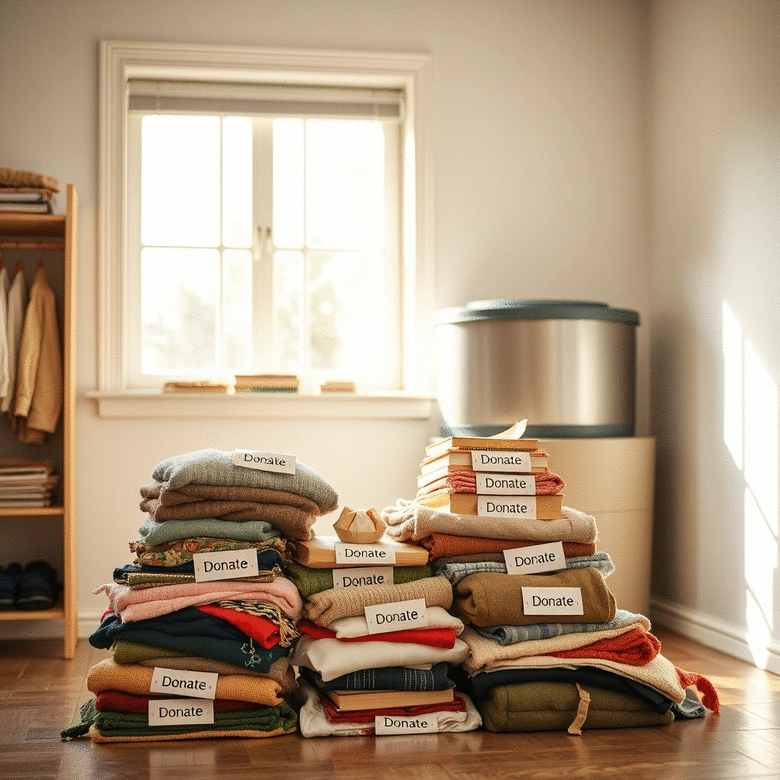
Donating items instead of throwing them away isn't just a good deed; it’s a choice that can bring lasting benefits to individuals and communities alike. When I started GoDeclutter, I quickly realized that helping people donate their unwanted belongings not only clears out their clutter but also enriches lives. Imagine a scenario where your old clothes bring joy to someone in need instead of sitting in a landfill. That’s the power of donation!
One of the biggest benefits of donating is the positive impact it has on your community. Donations can help local charities provide essential services, such as food and shelter, to those who are struggling. Plus, by donating items that you no longer need, you are also encouraging others to do the same. It creates a ripple effect of giving that extends far beyond your own home. For more on how to effectively contribute, consider learning how to declutter and donate.
Let’s dive into the specific benefits of donating items instead of simply throwing them away. First off, donating supports local charities, allowing them to continue their vital work in the community. Second, it can provide you with a sense of fulfillment—knowing that your items are making a difference in someone else's life is incredibly rewarding!
Additionally, donating can save you time and effort compared to the alternative of trying to sell each item. It's a quick and effective way to declutter your space and feel good about your contributions to the community.
Now, let’s talk about what happens when we throw things away. While it may seem easy, tossing items into the trash doesn’t just clutter landfills; it also wastes valuable resources. In fact, many things we consider “junk” still have life left in them that can be revitalized through donation.
When we dismiss items as junk, we miss the opportunity to give them a second life. What if that old couch you no longer use could provide comfort to a family in need? This thought encourages us to rethink our relationship with our belongings. Ask yourself: Is this really trash, or can it serve a purpose elsewhere?
At GoDeclutter, we believe in the importance of a mindful approach to decluttering. Let’s make conscious choices that benefit not just ourselves, but the environment and our communities as well! For families looking to manage their belongings, explore these organizing tips for busy families.
Did you know? When preparing items for donation, take a moment to research local charities and their specific needs. This not only ensures your items go to those who need them most, but it also helps you feel more connected to your community’s efforts. Tailoring your donations can amplify their impact!
When it comes to decluttering, knowing how to donate effectively can make a significant difference. At GoDeclutter, we believe that every item you choose to donate not only lightens your load but also creates opportunities for others. Here’s a practical guide to help you navigate the donation process with confidence!
First, let’s focus on which items are most impactful to donate. Consider donating items that:
Additionally, understanding donation drives is crucial. These events often target specific items and needs within the community. Participating in donation drives can help maximize your impact while making the process more fun and engaging!
Making the right choice about what to do with your unwanted items can be a bit overwhelming. To simplify this, I've created a decision framework to guide you based on the type of item:
By assessing each item's condition and potential impact, you can make informed decisions that align with your values.
Donating can also be beneficial during tax season! Many people don't realize that charitable donations can provide tax credits or deductions. Here’s how it typically works:
At GoDeclutter, we encourage our clients to consider the financial benefits while also feeling great about giving back to the community!
While donating has many benefits, there are also concerns we need to acknowledge. For example, transportation emissions and sorting challenges can arise when donating larger items. It's essential to consider the overall impact and find ways to minimize any drawbacks.
Many people have questions about the donation process. Let’s clarify some common misconceptions:
Understanding these nuances can enhance your donation efforts and contribute to informed decision-making.
Here are some common questions about donating items:
Consumerism plays a significant role in how we perceive our belongings. As we navigate through a world filled with excess, minimalism and decluttering have become valuable practices. By embracing these lifestyles, we can make more thoughtful donation decisions. For tips on managing your belongings, check out how to sort and donate household items.
Consider asking yourself:
As a result, we can create a healthier relationship with our possessions, one that prioritizes giving back and sustainability.
In summary, choosing to donate instead of throw away creates numerous benefits for both individuals and communities. By making conscious choices about what to keep and what to donate, you contribute to a more sustainable future. To further explore mindful decluttering, read about letting go of sentimental clutter.
Let's work together to encourage sustainable practices in our daily lives! Imagine how much we can achieve when we combine our efforts towards creating a clutter-free and supportive community. Are you ready to start your donation journey today?
Here is a quick recap of the important points discussed in the article:
Clara Jennings is a dedicated home organization expert with a passion for helping families and individuals create peaceful, clutter-free living spaces. With extensive experience in decluttering and junk removal, Clara provides a compassionate approach combined with practical solutions, ensuring every client feels supported throughout their transformative journey. At GoDeclutter, she believes that an organized home fosters not just tranquility but also enhances productivity and well-being.
At GoDeclutter, we are passionate about transforming homes into serene and organized spaces. Our mission is to empower busy families and individuals to reclaim their living environments while promoting sustainability and community support.
175 Pitt Street, Sydney NSW 2000